Cutta Cutta Caves and Aboriginals

Here are some pictures from the Cutta Cutta Caves close to Katherine, which I couldn’t upload yesterday and had visited the day before.
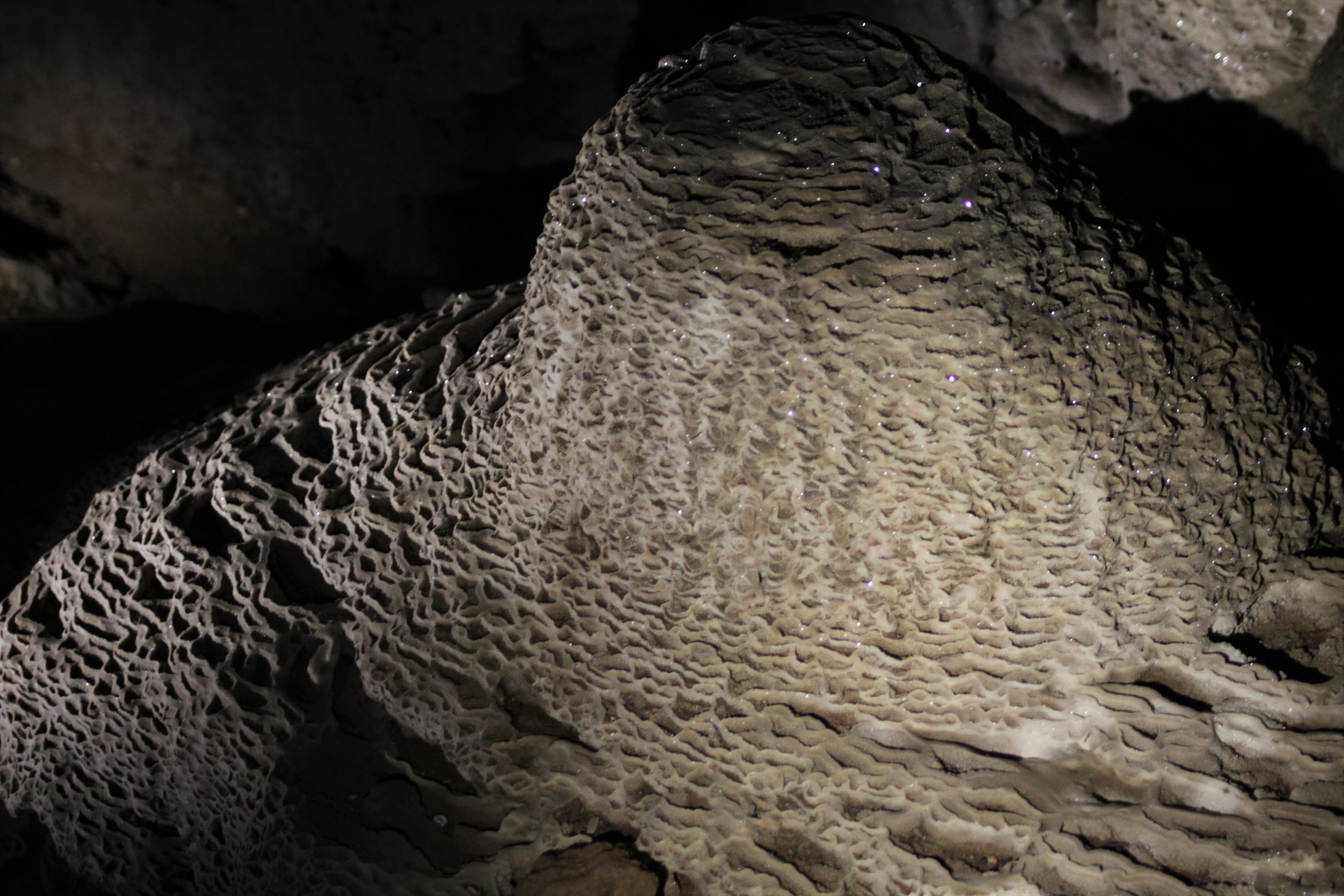
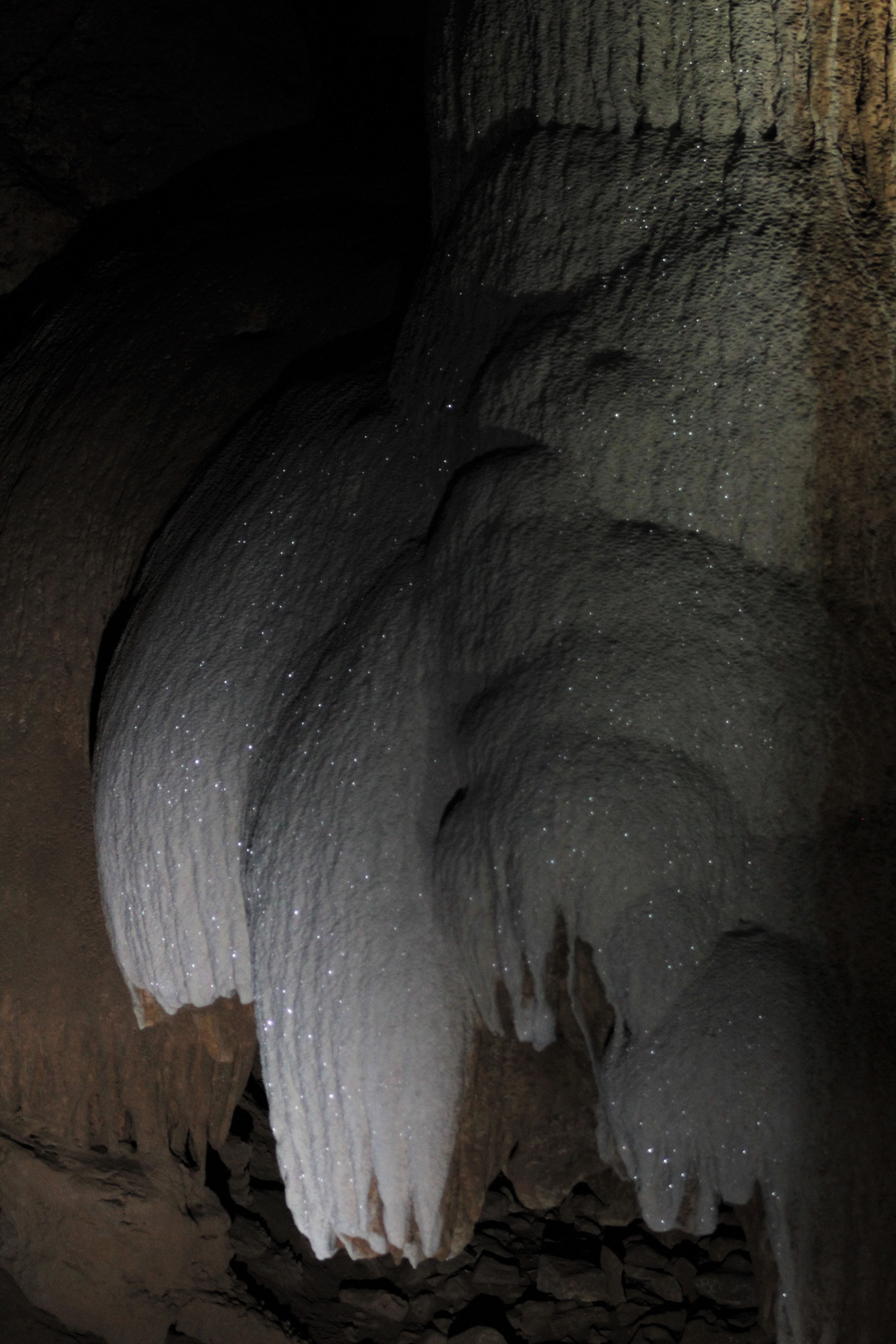
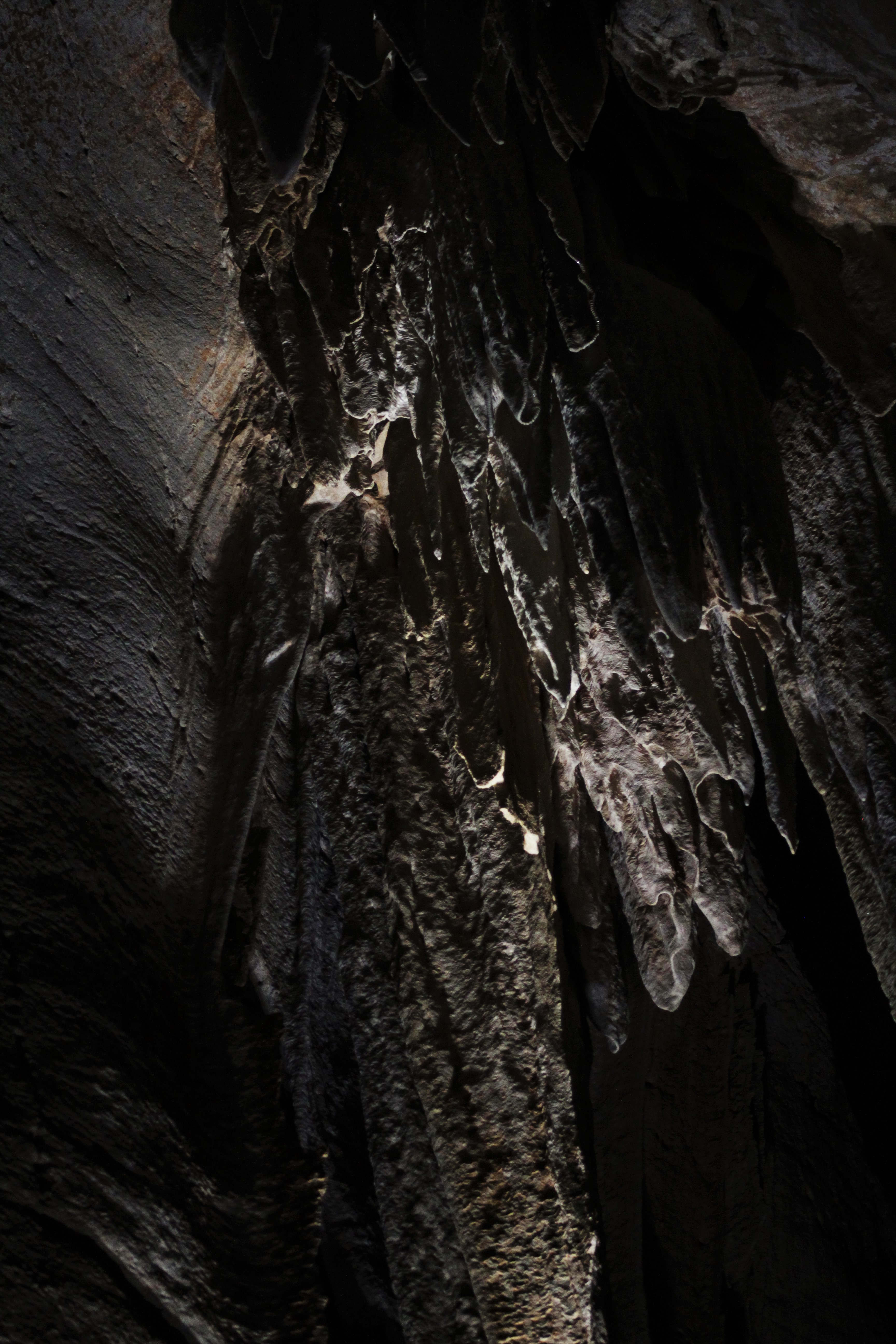
As the Nitmiluk park, they are on the land of the Jawoyn people. One of the c.a.300 groups of Aboriginals in Australia. How that works with the indigenous people: I haven’t quite figured it out yet. Sometimes I feel the Austaliens haven’t either. Everybody seems to make a big point aknowledging that the indigenous people were here first and have suffered great wrong since the colonial powers invaded their land. (Like in Germany, there was a program in place before the 2nd World war, to prevent “mix-breed” children and to take those ones that were born, away from their families) There are even signs infront of supermarkets and companies saying that the ancient beliefs of those groups and their spiritual sites are respected.
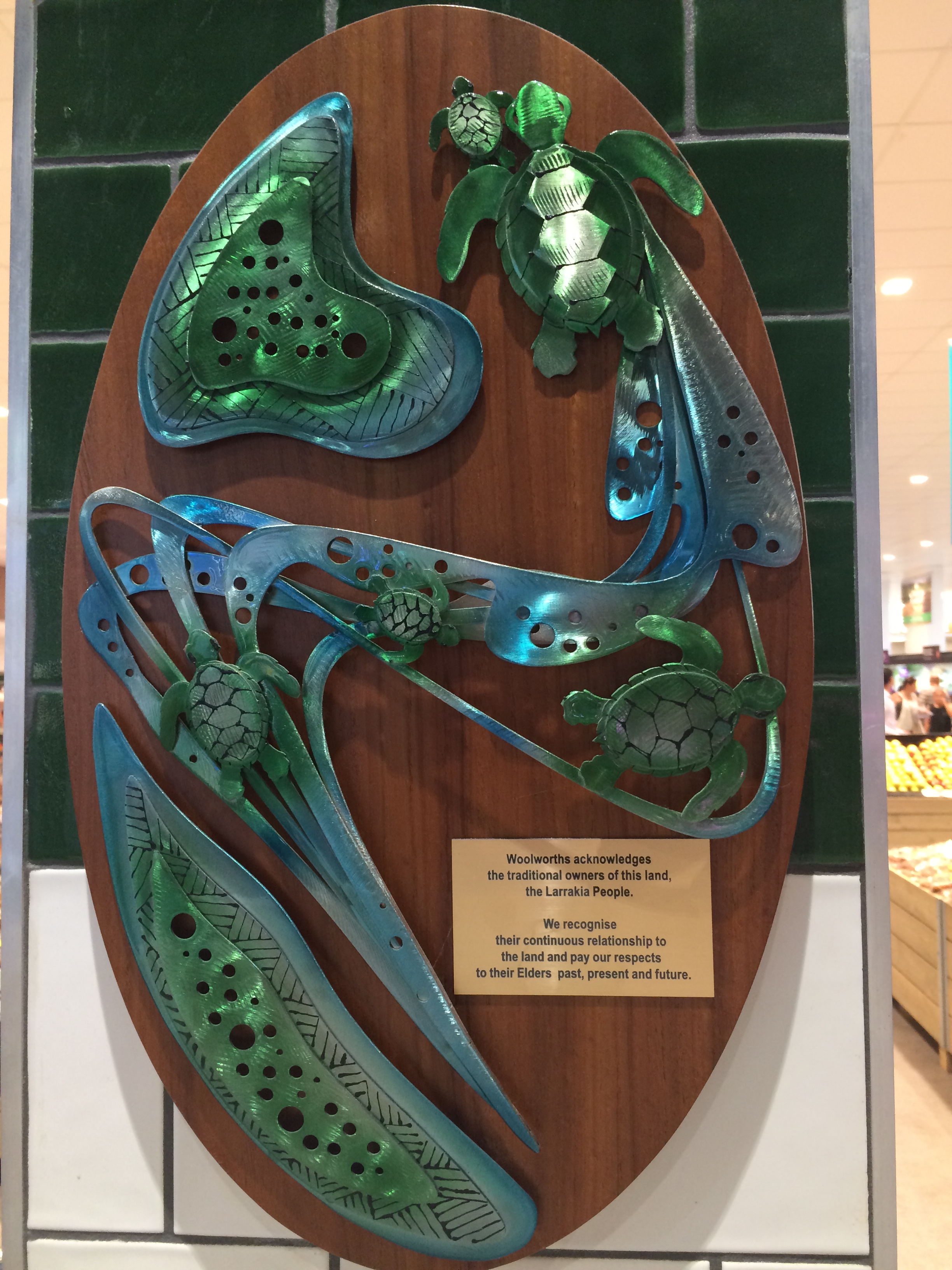
But further than that, the non-indigenous people (not all of them are white) seem not quite sure how to fit them in. And they themselves don’t seem to know either. As a visitor in northern territory, you meet them everywhere and they don’t appear agressiv nor are they treated like that (from what I could see). But one can tell that they are living according to another code. They speak their own 300 different languages and that very loudly over big distances, prefer walking barefoot, apparently have another understanding of time and seem to rather stay amongst themselves. Despite numerous support programs and action plans the majority seems to live off federal welfare and on the margin of society. Of WESTERN society anyway.
I read a novel by some American* who claims to have lived with one tribe in the Outback. If half of what she says is true, those people have an incredible ability to live with and in nature and as a peaceful, respecting, spiritual society with almost no hierarchies and no sense for competition. Which is why after the first page already the sad thought crept over me that these people will never find a place in the present majority-society. And why should they want to at all?
But what else? Apparently there are only a few tribes left that (can) indeed live in the inhospitable Outback. Often the land conceded to them is not the best in quality and only a fraction of what was originaly theirs. (A lot of them don’t understand how a human being can actually think that a piece of earth can be owned by anybody, by the way)
Maybe they have the best chances to survive the comming natural disasters or a big war, as they are nondependend on any technology. Or maybe they are the first ones to perish because of that. And what if all this doesn’t arrive fast enough?
And what about the ones that are living in the cities already? Whose traditional and spiritual knowledge and understanding gets lost without being replaced by something else?
Indigenous people have a big range of special rights in Australia. For example are they allowed to harvest turtle eggs in aknowledgment of the fact that this had always been a part of their nutrition and that they would only take as much as they need for themselves and never in amounts that are potentially harmful. But what if they do now? Or if the rest of the idiotic world has impacted turtles that much, that EVERY amount is harmful?

*Mutant message Down Under by Marlo Morgan,
I found out later that the book is much criticised by the Aboriginals themselves as well as by ethnologists. That doesn’t change the questions that arise while reading it, though.
Katherine und Umgebung

Gerade bin ich auf dem Rückweg von einem 4-Tagesausflug in die Nitmiluk-Schlucht.
Ich mußte feststellen, daß ich, um keine Internetverbindung zu haben, nicht unbedingt auf eine einsame Insel fahren muß. Was die Versorgung mit Internet und WiFi angeht, ist Australien noch schlechter aufgestellt als Deutschland. Die Einheimischen haben sich damit abgefunden, daß es selbst dann nicht funktioniert wenn damit geworben wird (wie z.B. in Hotels) und haben alle superteure Handyverträge um das Problem zu umgehen. Ein Angestellter im Katherine Museum hat mir erzählt, daß die Regierung zwar Breitbandkabel legen läßt, aber für jedes Grundstück ist nur ein Internetzugang vorgesehen. Wenn dort dann ein Haus mit 4 Mietparteien steht, haben 3 eben Pech gehabt. 

Die näheste Stadt am Nitmiluk Nationalpark ist Katherine. C.a. 27km von dort hat sich der Katherine Fluß tief in die Kalksteinlandschaft gegraben und bildet die Nitmiluk Schlucht bzw. die Schluchten 1-13.
An Schlucht 1 liegen der Startpunkt für zahlreiche Wanderwege und der Zugang zum Fluß für Kanuausflüge und Flußfahrten. Wenn man also nah am Geschehen dran sein will, muß man auf dem einzigen vorhandenen Campingplatz direkt an der ersten Schlucht übernachten. Das hab ich dann auch gemacht. Da ich kein eigenes Zelt habe, habe ich mir eines der dortigen „Safarizelte“ gemietet. Das ist quasi ein Zelt mit richtigem Doppelbett und mehr oder weniger festen Wänden. Wie man mir sagte, war ich damit dann ein Glamper. Glamping = Glamour + Camping
Naja, zumindest der Preis war glamourös😉

Am ersten Tag bin ich dann quasi durch‘s Outback gewandert. Auf der Rückseite meiner Wanderkarte stand, daß ab 32°C Außentemperatur eine Überhitzungsgefahr für Wanderer bestünde. Ich glaube der Siedepunkt von Australiern liegt höher 🙂
Ich jedenfalls war überzeugt, daß es eine kleine Dampfwolke gab, als ich zur Mittagspause in den Fluss gesprungen bin. Der Badespaß hielt auch nicht lange an, da eines der Tourboote uns zurief, daß ein Meerwasserkrokodil seinen Weg flußaufwärts gefunden hat. Und da ich bereits auf Bare Sand Island gelernt hatte, daß diese 4,5m langen Viecher es schaffen sich noch in kniehohem Wasser unsichtbar zu machen, habe ich auf weitere Schwimmrunden verzichtet.
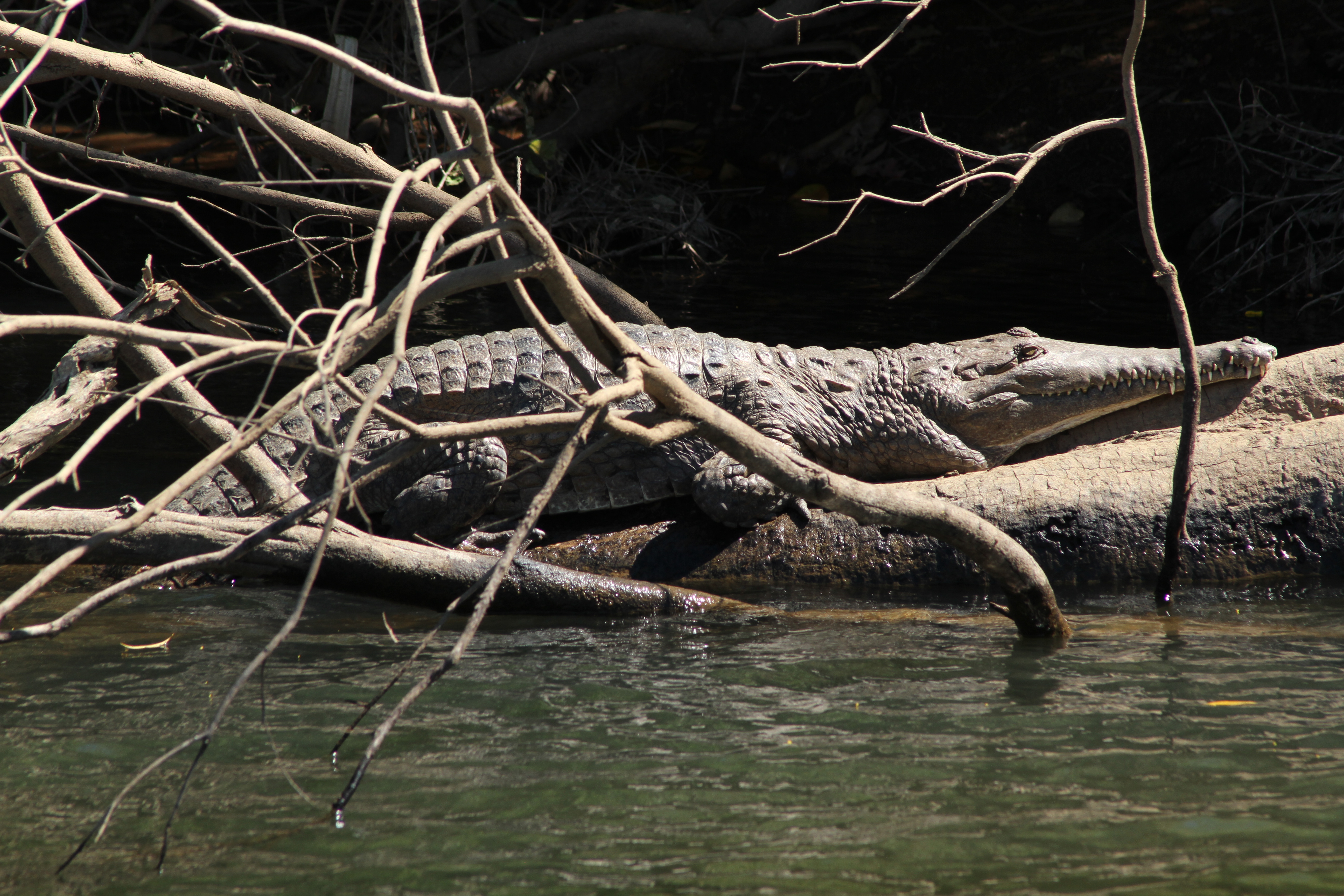
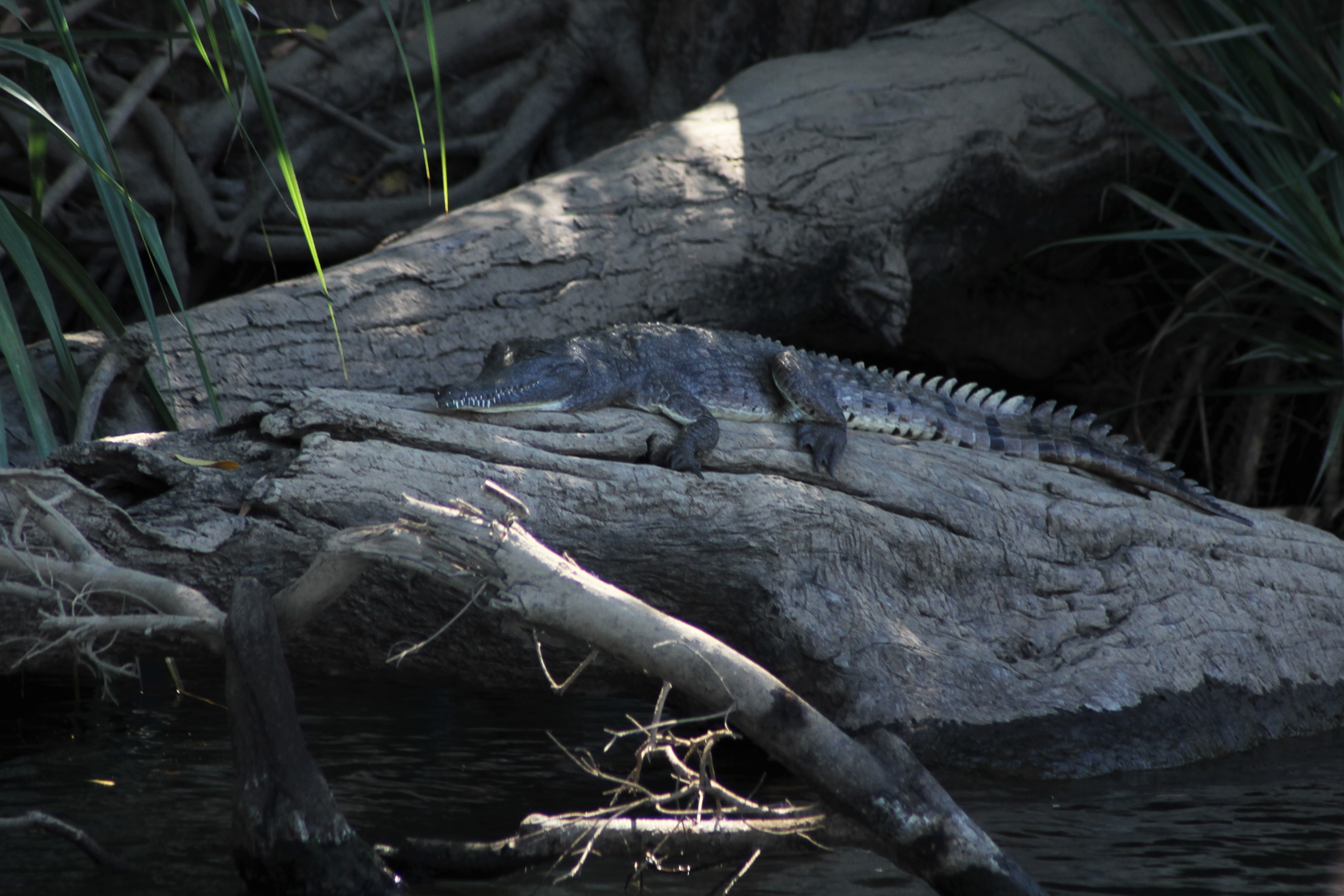
Vom Aussichtspunkt auf den Fluß und auf der Kanutour am nächsten Tag habe ich dann ein paar Süßwasser-Vertreter getroffen.

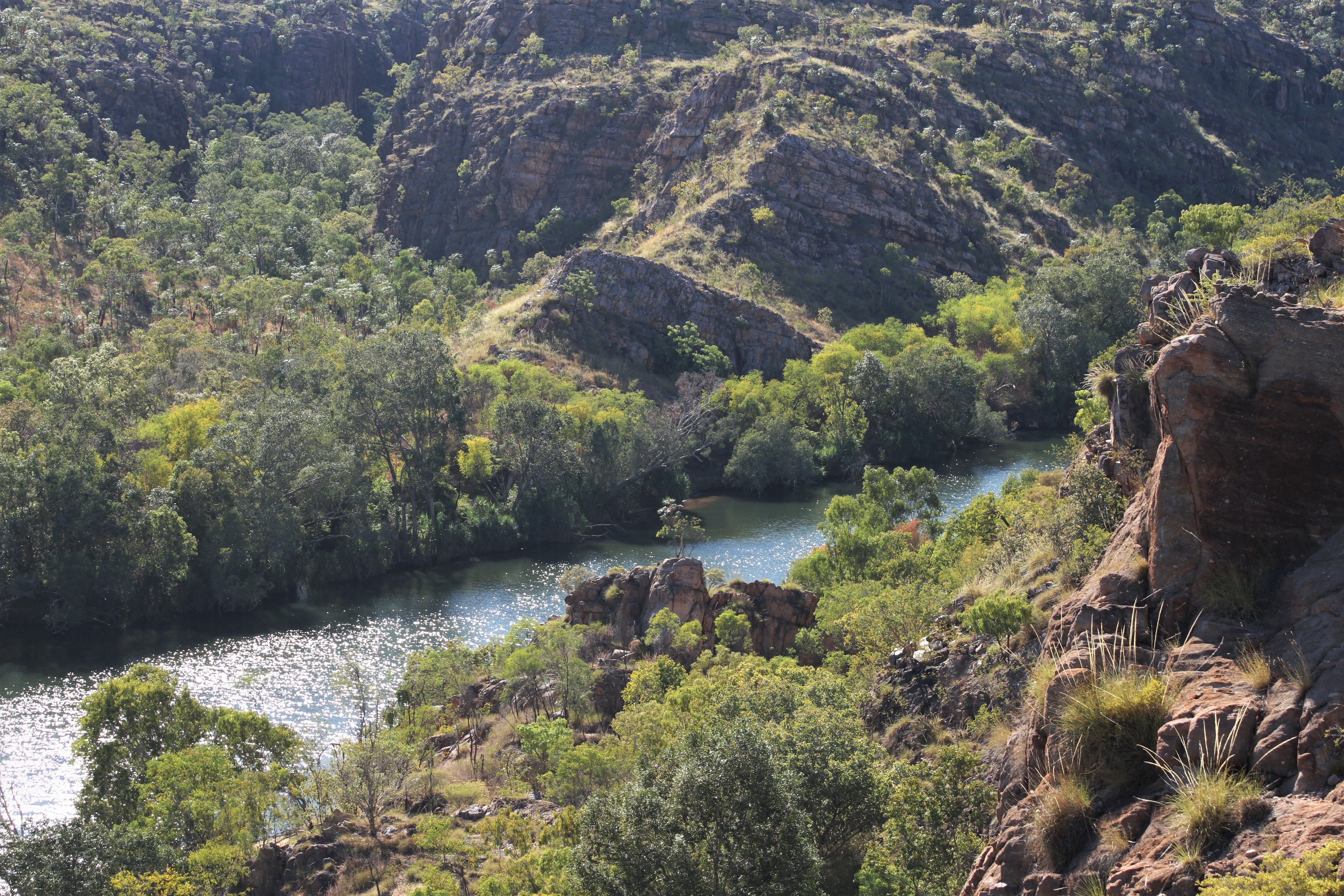
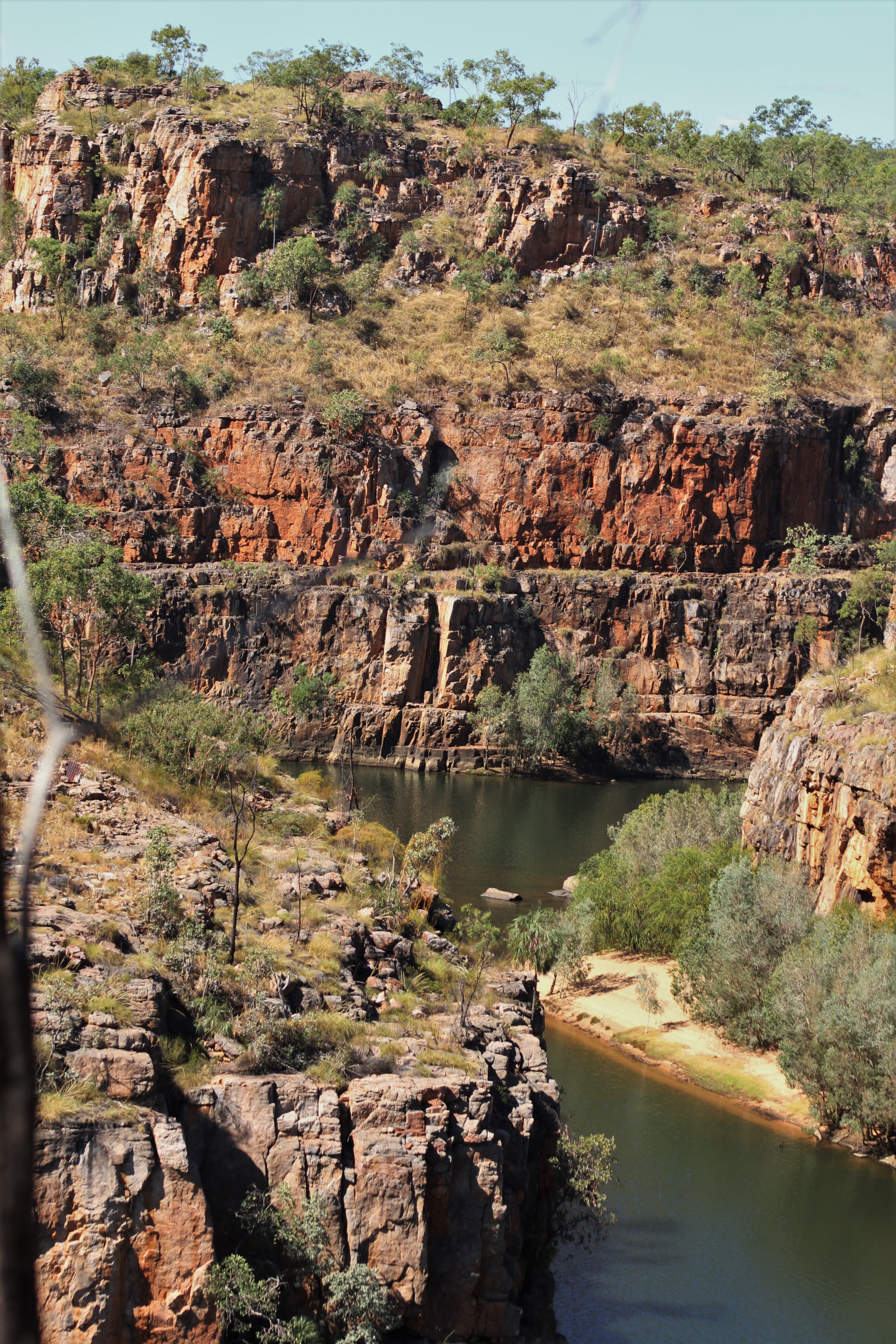
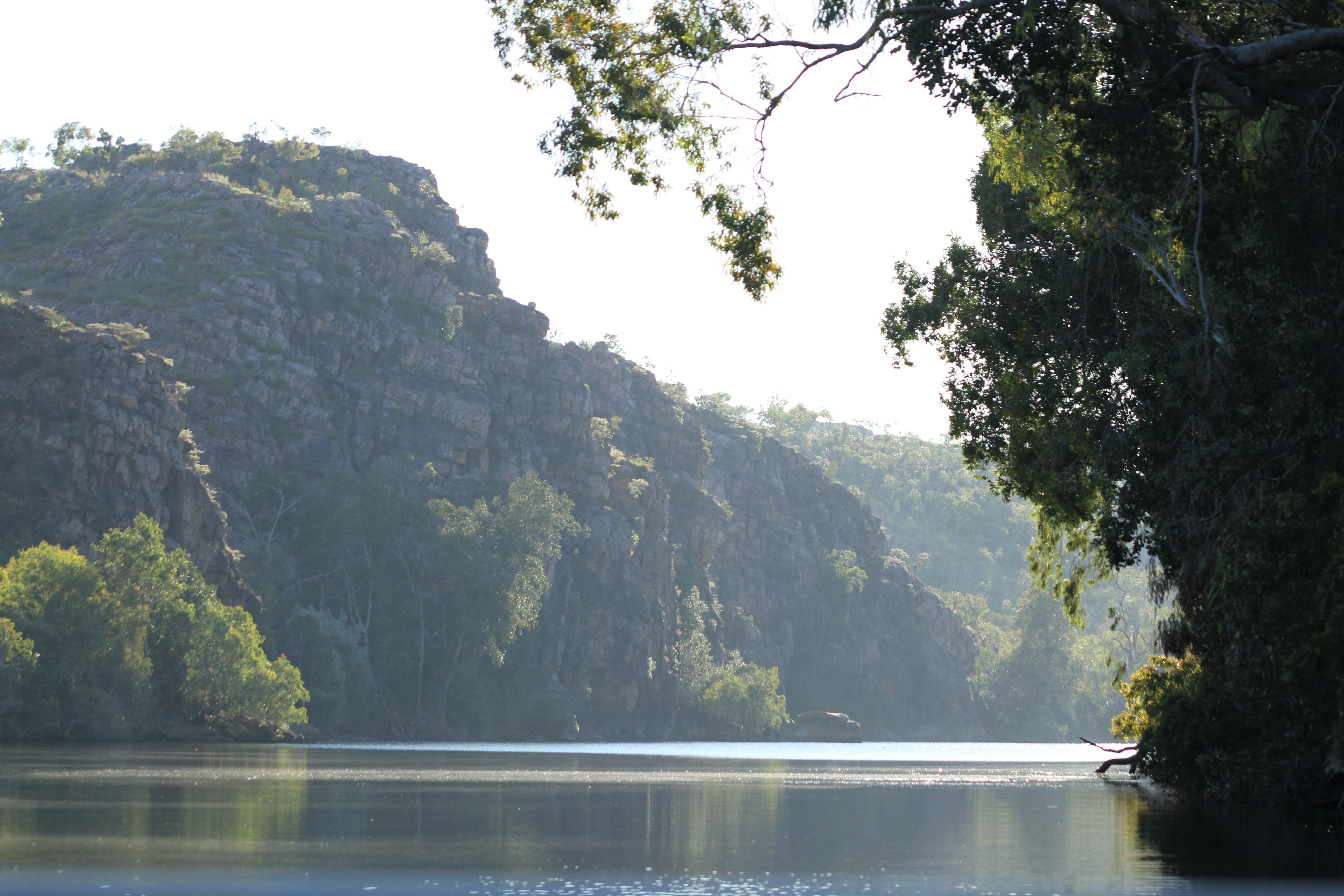
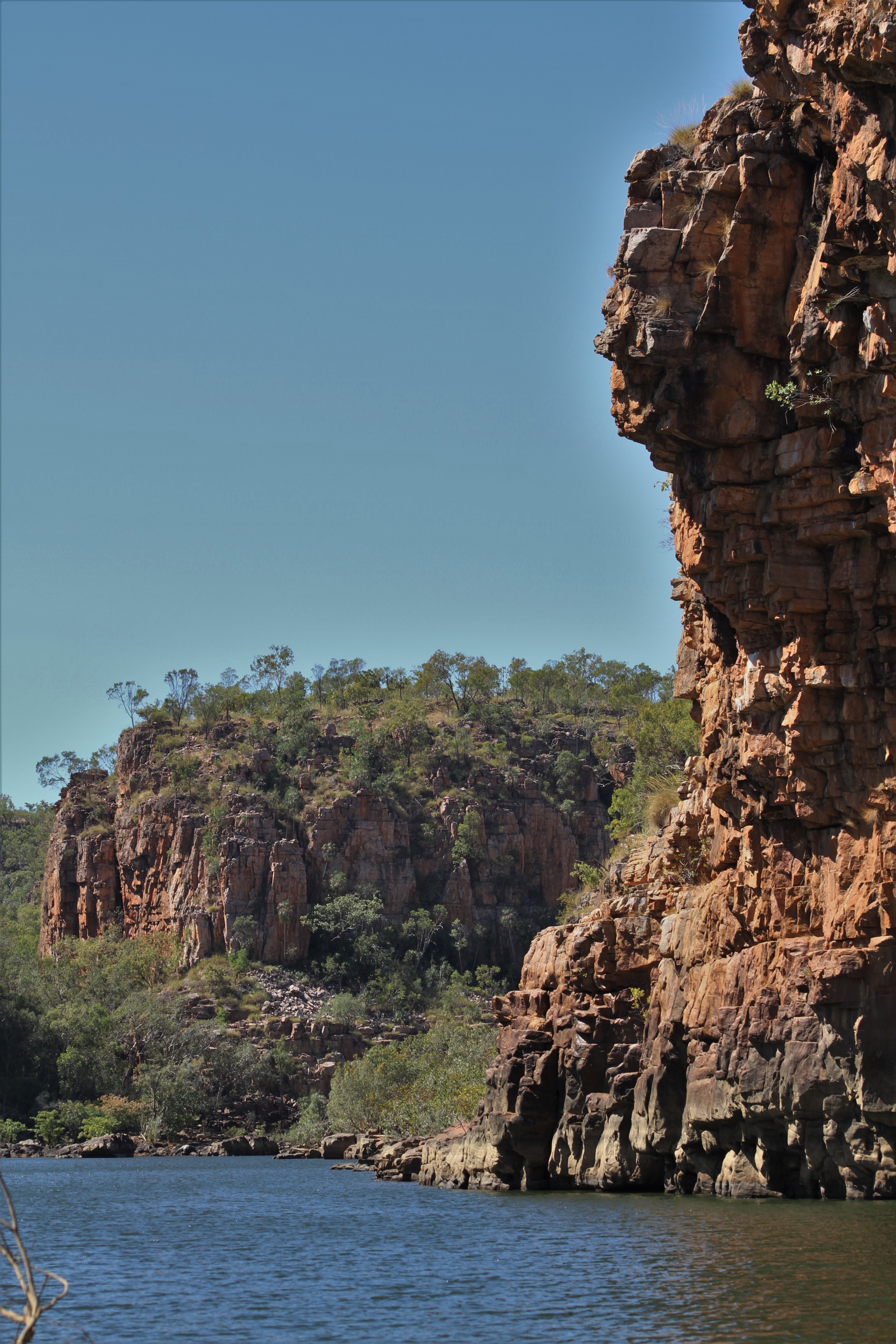
Und hier ein paar Bilder der Schlucht von oben und vom Wasser aus:

Am 3.Tag kam eine der Freiwilligen von Miks Bare sand island fundraising dinner zum Frühstück auf den Campingplatz. Sie wohnt in Katherine und ist Tierarzthelferin. Und da wir am Tag des Dinners nur wenig Zeit hatten zu quatschen, wollte sie dies nachholen.
Danach hat sie mich in ihrem Auto nach Katherine mitgenommen und mir, an ihrer Praxisarbeitsstelle angekommen, letzteres überlassen. Ich hatte ihr erzählt, dass ich noch in die Cutta cutta Höhlen wolle und sie meinte ein Taxi dorthin würde mich ein Vermögen kosten (Womit sie sicher recht hatte). Und so hatte ich den ganzen Tag ein Auto zur Verfügung! Und bevor Ihr fragt: Ja, alle Laternen stehen noch, das Auto ist frisch und munter und die Katheriner sahen sich auch nicht gezwungen neue Schilder mit “Achtung, Linksverkehr!” anzubringen! 😉
Das Ganze zeigt, wie superfreundlich und hilfsbereit die Leute hier sind (Wie in Sri Lanka aber hier ist man sicher, daß wirklich niemand einem etwas verkaufen will;-). Camper, die ich vor den Höhlen getroffen habe, haben mir Essen angeboten und als ich vom Hotel in die Innenstadt gelaufen bin, hat eine Frau angehalten und gemeint mit meinem ganzen Zeug müßte ich nicht laufen, sie nähme mich im Auto mit.

Turtles are back!

Or better: I‘m back with the turtles!

I haven’t been writing the last days because I accompanied Mik to his turtle project on Bare Sand Island. A place off the coast of Darwin which is basically that:Bare sand.

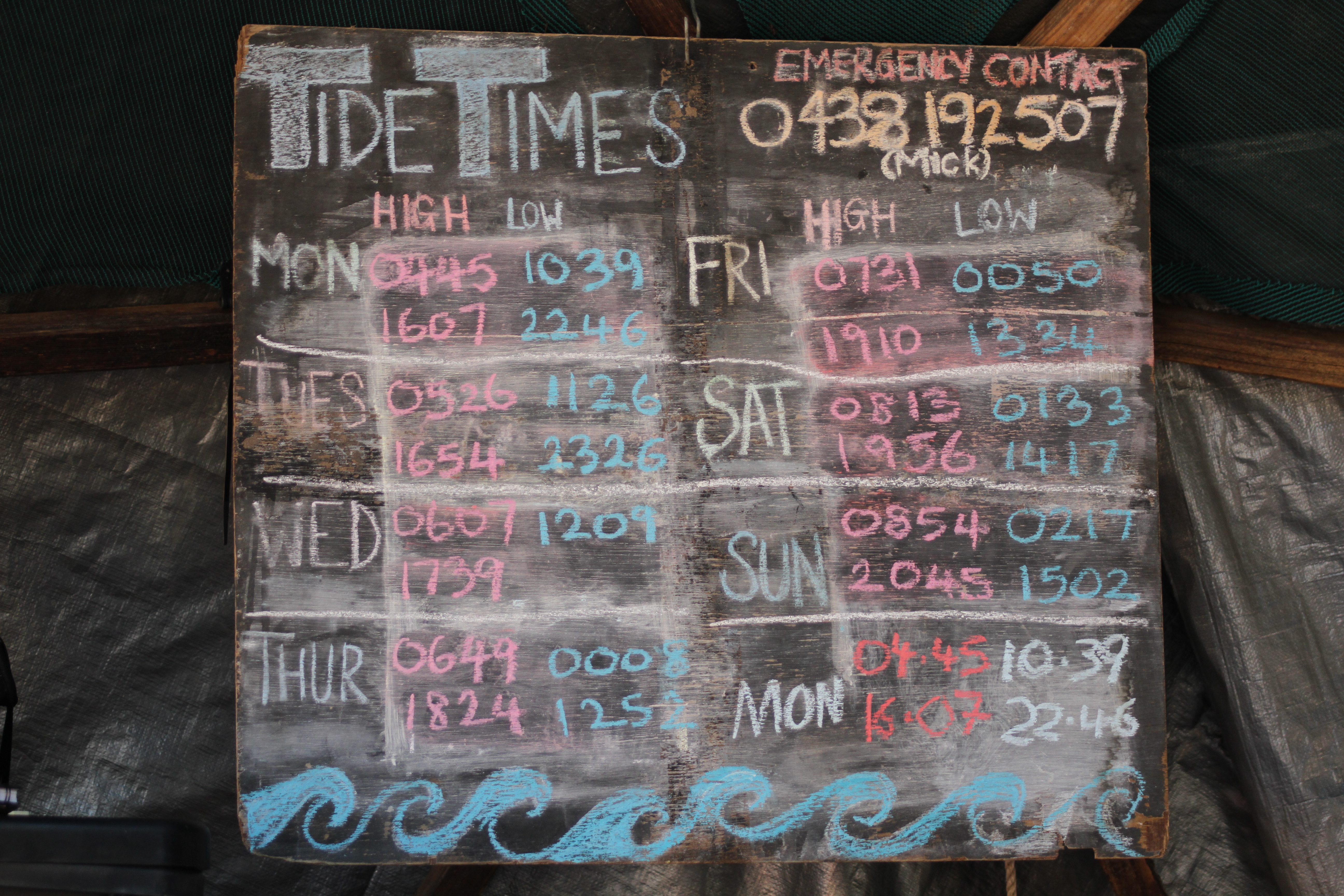
So solar electricity and no running water, much less internet or phone connection. The turtle camp looks like probably turtle camps all over the world look like: A wooden, tarp-covered structure in the middle of nowhere, tents scattered all around it, 2 blackboards displaying shifts and tidal times and suntanned, slightly tired looking but smiling volunteers.

Those volunteers are the only people on the island, patrolling the 1,8km (yeah, I know, ridiculous;-) beach every 12hours, looking for nesting sea turtles and hatchlings.

From now and then a group of tourists gets dropped of by a tourboat and joins them. When he‘s around, Mik provides everybody with the scientific facts regarding turtles (and every other living being as a matter of fact). I also listened with awe to his talks, as I know little about the sea turtle species that is visiting the island the most: the flatback.

And as soon as hightide sets in, they start showing up! By far not as huge as the greens in Rekawa but much better proportioned in my opinion ;-). And really flat indeed. They have their own, more messy way of digging their egg-chamber and also of covering it up. They also seem quite unimpressed by people but Mik gave me a little demonstration how even the adults are irresistibly attracted by white light. (They change their course immediately! 😱)

And as they stick to the tides more accurately, sunset or sunrise nesters are not uncommon.

A vast, quiet, sandy beach at sunset and a turtle coming up to nest. Imagine the few people gone and it can’t get more beautiful than this!

Fazit

Ich bin nach einem Resümee meines Sri Lanka Aufenthaltes gefragt worden. Ich finde das schwierig, weil es einfach so viele interessante, beeindruckende, verwirrende, emotionale, neue, unerwartete, aufschlußreiche, schöne, frustrierende und nervenaufreibende Eindrücke gab, die manchmal komplett konträr liefen oder immernoch kein klares Bild ergeben. Es ist nicht wirklich möglich, das alles in ein paar Zeilen zusammenzufassen.

Eines der Dinge, die mir mein „all inclusive“ Aufenthalt vielleicht gezeigt hat war, dass es doch ein recht glücklicher Zufall war, dass ich ausgerechnet in Europa geboren wurde. Ich bin eigentlich nicht der “Reisen um zu bestätigen dass es zuhause am schönsten ist” Typ aber als Frau erlebt man andere Kulturen immer auch unter dem Aspekt der Gleichberechtigung. Und wenn einem AUFFÄLLT dass dies so ist, dann meistens deshalb weil es gerade keine gibt. Natürlich WUSSTE ich bereits vorher, dass meine Stellung außerhalb Europas eine andere ist, aber es macht einen Unterschied ob frau dann jeden Tag live ERLEBT wie es ist, wenn das -und ihr- Leben von Männern bestimmt wird. So selbstverständlich und undisskutiert, daß es ihr am Anfang gar nicht auffällt und sie sich, wenn es ihr dann plötzlich sauer aufstößt, erstmal sagt, dass sie überreagiert oder sich manche Sachen nur einbildet. (Klassisch!)
Dieses kleine Störgefühl, das irgendwann auch mal richtig groß wird und all die Momente in denen man sich fragt, ob man sich das jetzt eigentlich wirklich gefallen lassen muß: Erst da realisiert man so wirklich, was Emanzipation im Alltag bedeutet. Und man entwickelt große Sympathie mit denen, die sich “das” und noch ganz andere Dinge tatsächlich gefallen lassen müßen. Ihr ganzes Leben lang. Und es wir einem klar, wie lang und mühsam der Weg zur Gleichberechtigung war und ist. Man versteht auch wie brüchig diese eigentliche Selbstvertändlichkeit ist und wie sehr wir in Deutschland und Europa aufpassen müßen, dass sie nicht von Strömungen wie der AfD schleichend wieder einkassiert wird.

Der Gedanke an die pure Existenz von Dingen wie der AfD beschämt mich umso mehr, wenn ich daran denke mit welchem Langmut und welcher Geduld man mir, der Ausländerin, hier begegnet ist. Ich habe bestimmt 100te (ungeschriebene und vielleicht sogar geschriebene) gesellschaftliche Regeln gebrochen. Teilweise weil ich einfach nichts von ihnen wußte, teilweise weil ich stur auf MEINE Wertvorstellungen bestanden habe. Und nicht EINMAL ist jemand laut geworden. Klar, Thushan hat mich ein- oder zweimal zurechtgewiesen und manchmal war sein Ton etwas vorwurfsvoll wenn er mir erklärte, dass man “das hier anders macht”. Wir hatten auch ein, zwei größere Streits. Aber alles geschah höflich. Und Thushan und seine Familie haben mich nichtsdestotrotz 2 1/2 Monate in ihrem Haus ertragen und an ihrem Tisch durchgefüttert! Sowohl er als auch Mrs. Daisy in Rekawa und Nayomi in Anuradhapura haben mich zu ihren heiligen Stätten mitgenommen und mich an ihren Familienfeiern und ihrem Alltag teilhaben lassen. Sie haben nur gutmütig gelächelt wenn ich keine weißen Klamotten hatte oder vor dem Familienoberhaupt zur Verabschiedung nicht auf die Knie gegangen bin. “Ist schon gut, sie kann das ja nicht wissen”. Wenn ich im Vergleich dazu daran denke, welche Schimpftiraden in Deutschland auf einen “Ausländer” bereits einprasseln können wenn er nur aus Versehen den Müll in die falsche Tonne wirft…..

Sunset in Darwin

Sorry for not writing for quite a while. Mick and Nirmala are retired and we keep chatting away until late every evening (Mick always making sure that a glass of cold whitewine is involved).
For some reason the two of them still make it out of bed earlier the next day.
Today we went into town together. They showed me the place that was supposed to keep away the Japanese in the second worldwar. But like Pearl harbour, Darwin didn’t expect them to attack by plane and was hit even worse than Pearl harbour.
The two huge antiboat defense guns that had been installed on the entrance of the harbour were only fired once for test reasons and were finally dismanteled and sold as scrap metal. And guess who bought them? Right, Japan.
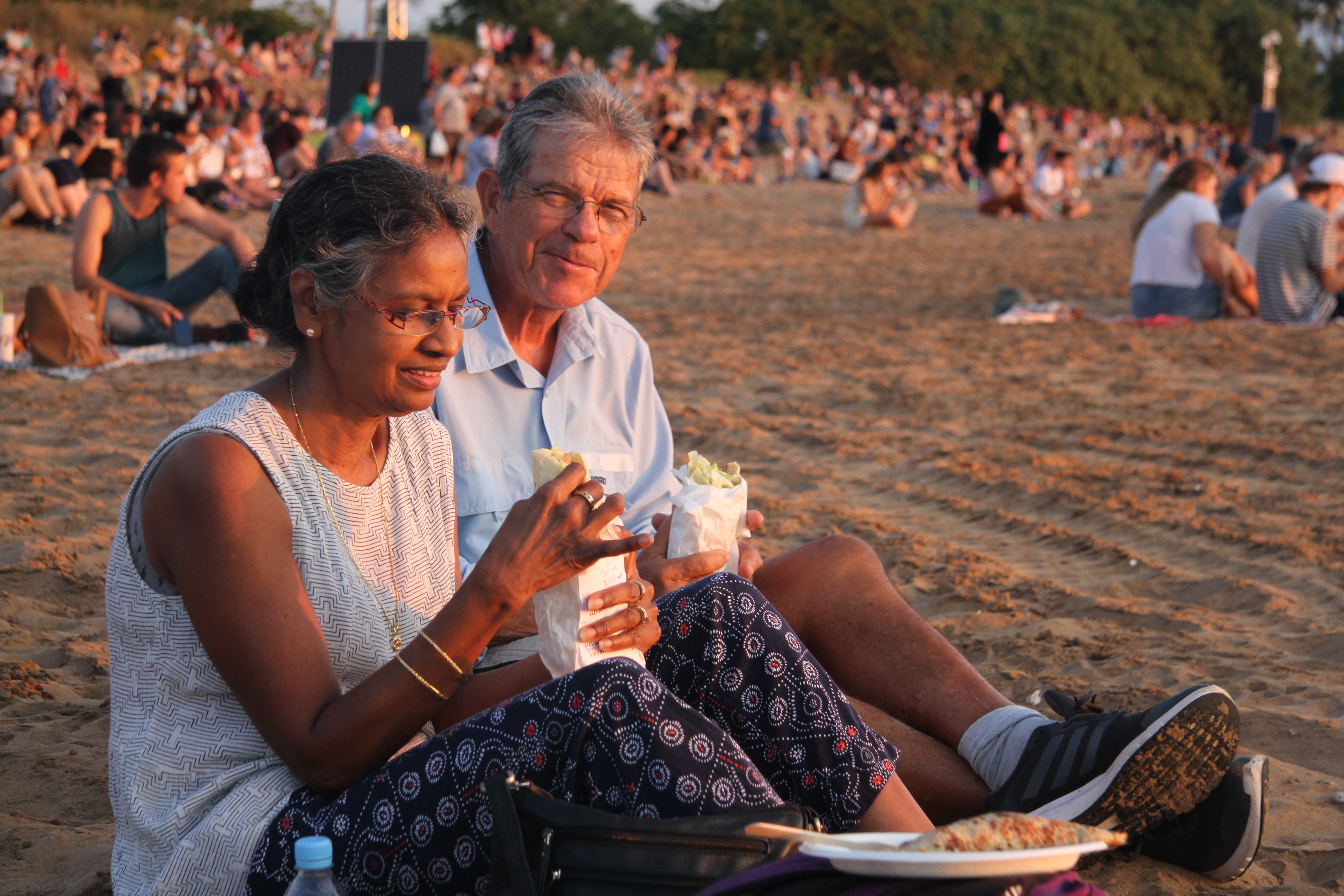
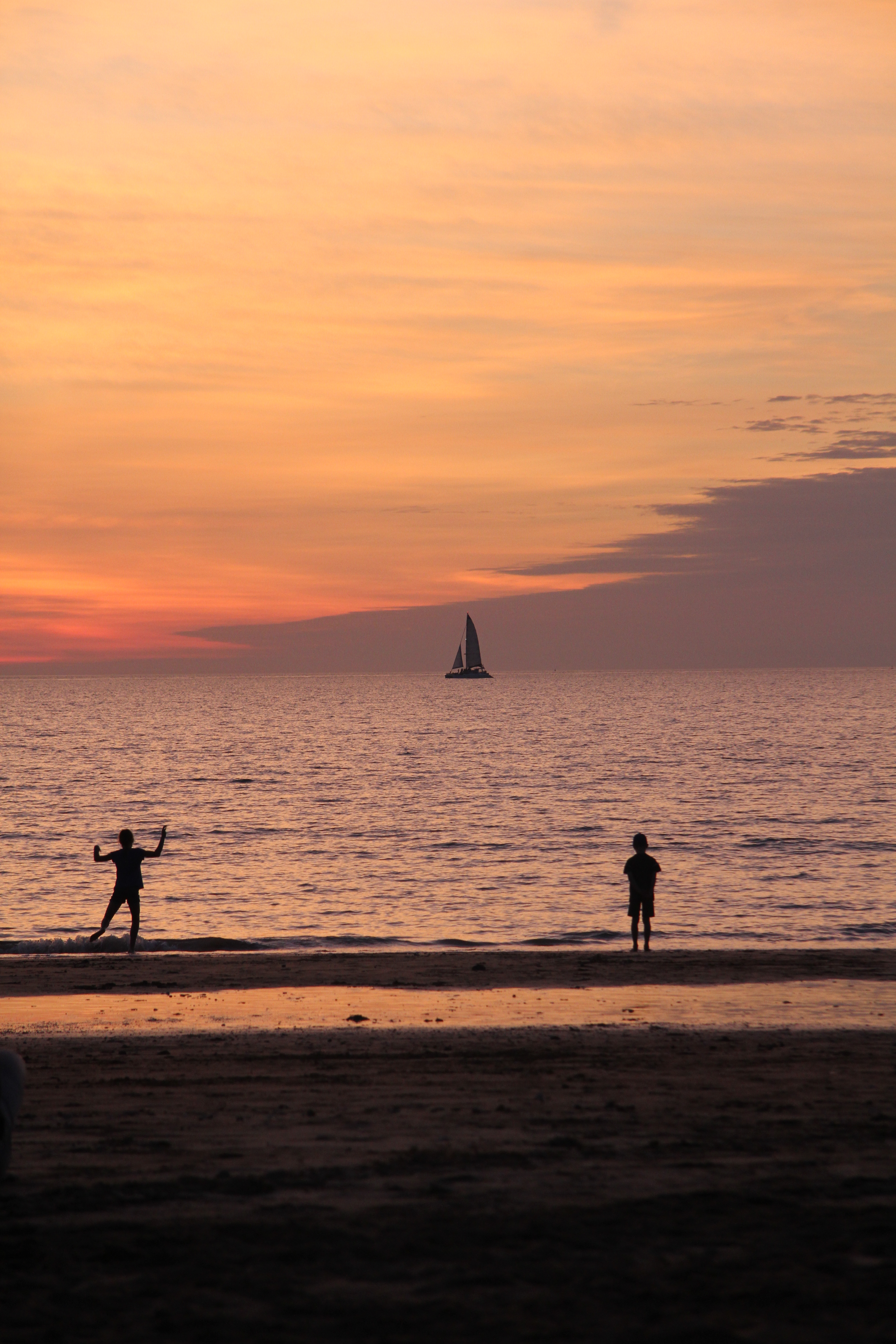
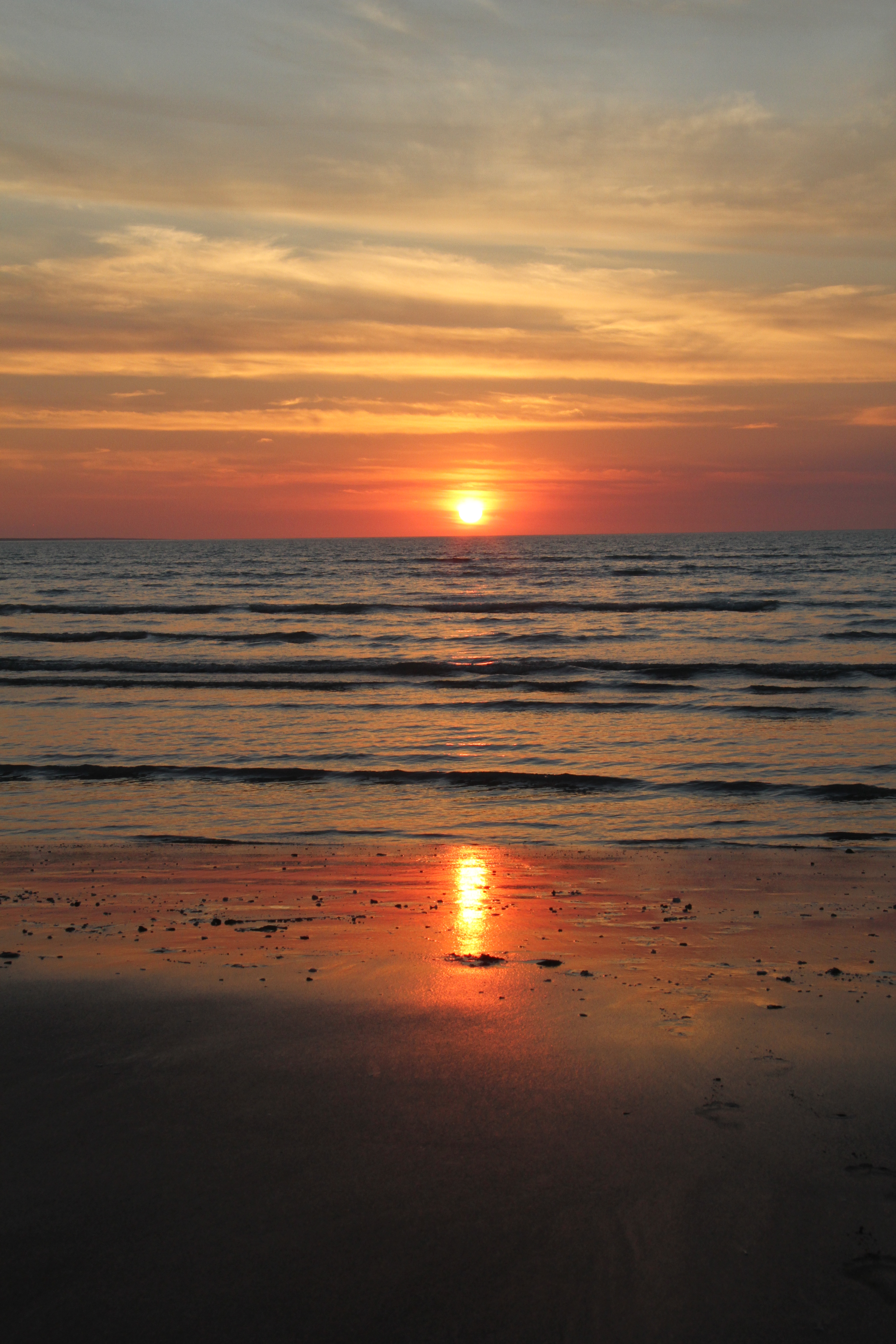
After the little history tour, we had a stroll through a little market on the back of the beach, got our dinner there and watched the sunset.

Sitting there, Nirmala, who just had lost her 36 year old nephew looked at me and said: “See?! Life is good”.